Add a frontend page
Authenticated product pages are client-rendered React routes that call typed ServiceStack APIs and remain compatible with Next.js static export.
Development recipes · Architecture
1. Create the route
Add MyApp.Client/app/widgets/page.tsx:
'use client'

import { useCallback, useEffect, useState } from 'react'
import AppShell, { PageHeading, Panel } from '@/components/app-shell'
import { ValidateAuth } from '@/lib/auth'
import { client } from '@/lib/gateway'
import { QueryWidgets, WidgetInfo } from '@/lib/dtos'

function WidgetsPage() {
  const [items, setItems] = useState<WidgetInfo[]>([])
  const [loading, setLoading] = useState(true)
  const [error, setError] = useState<string>()

  const load = useCallback(async () => {
    setLoading(true)
    const api = await client.api(new QueryWidgets())
    if (api.succeeded) {
      setItems(api.response?.results ?? [])
      setError(undefined)
    } else {
      setError(api.error?.message ?? 'Unable to load widgets.')
    }
    setLoading(false)
  }, [])

  useEffect(() => { void load() }, [load])

  return <AppShell>
    <PageHeading
      eyebrow="Organization product"
      title="Widgets"
      description="Create and manage this organization’s widgets."
    />
    <Panel className="p-6">
      {loading ? 'Loading…' : error ?? `${items.length} widgets`}
    </Panel>
  </AppShell>
}

export default ValidateAuth(WidgetsPage)
Use Layout for public marketing/content pages and AppShell plus ValidateAuth for product pages.
2. Add navigation and entitlement behavior
Add the route to the appropriate AppShell navigation group. Use FeatureGate for customer explanation and upgrade affordances, while keeping the matching RequiresFeature on the backend DTO.
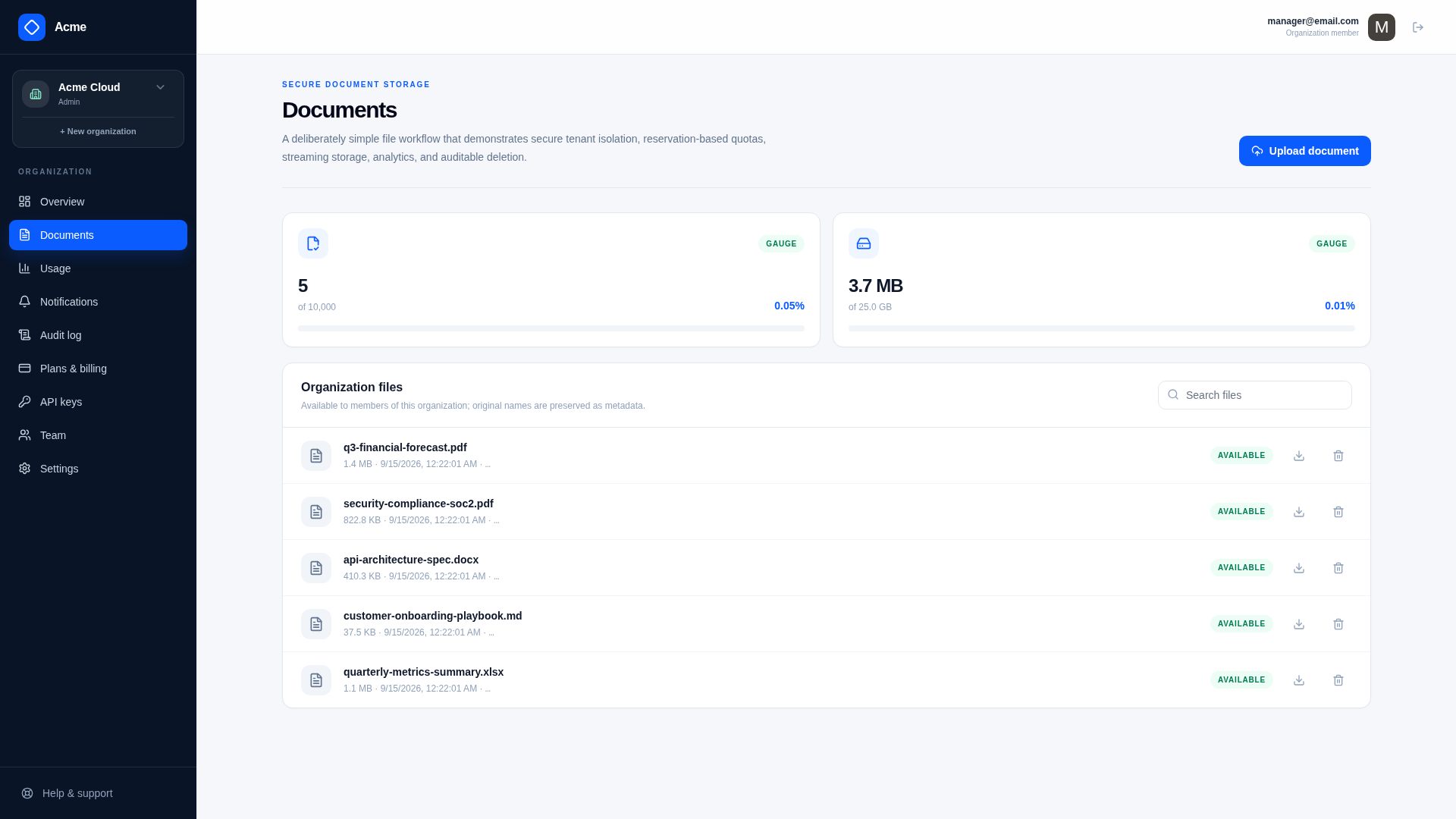
Reuse PageHeading, Panel, StatusPill, Lucide icons, and tokens in styles/index.css. Preserve the enterprise visual system instead of introducing page-local colors and component conventions.
3. Keep effects stable
Memoize loader functions with useCallback, list only stable scalar dependencies, and trigger deliberate refreshes after mutations. Do not place response objects, newly created request objects, or unstable callbacks in effect dependencies.
For request races, ignore stale responses or use the guarded pattern in useUsageAnalytics. This prevents recursive fetching, flicker, and an older request overwriting a newer selection.
4. Preserve static export
Do not add Route Handlers, Server Actions, request-time server components, cookies/headers APIs, or Node-only runtime behavior. Dynamic state comes from the ASP.NET-hosted ServiceStack API after hydration.
Public pages may use a static fallback when appropriate, but connected API data should replace it.
5. Verify
Test loading, empty, success, validation, forbidden, feature-disabled, read-only, API failure, dark mode, and responsive layouts. Run npm run typecheck, npm run test:run, and npm run build; confirm the route appears in the static route table.